Dr. Javier Sanfélix

Dr. Sarah Fischer

Leonard Courapied
Simulation of the homopolymerisation of bismaleimide monomers by tailored reactive Molecular Dynamics

Figure 1. MDAB molecule and its 3D representation.
Table 1. The mechanical properties of three different MDAB polymer systems.

Prof. Irene de Diego Calderón
Collaborative AI Framework to Boost Our Metallurgical Expertise and Accelerate Product Development

Prof. Alejandro Franco
Digital Twin-Based Optimization of Battery Manufacturing Processes

Prof. Marcus Stricker
Materials Informatics: Appreciation of Data and Algorithms

Leonard Courapied

Dr. Irene de Diego Calderón

Prof. Alejandro Franco

Prof. Marcus Stricker

Prof. Dr. Sergio Amancio-Filho

Prof. Dr. MÁrio Ferreira

PROF. Sarah Haigh

Dr. Jürgen TIEDJE 

Prof. Dr. Stefan Pogatscher

Prof. DR. ROSA MENÉNDEZ

Prof. Dr. Franz Faupel

Dr. laura del río fernández

Gloria Rodríguez

Irene García Cano

Ms. Anna Muesmann

Daniel Sola

Teresa Guraya

Paloma Fernández Sánchez

Dept. Física de Materiales, Fac. Ciencias Físicas, Universidad Complutense

Juan José de Damborenea

Anna Zervaki

Rodrigo Moreno

Prof. Dr. Antonio Salinas Sánchez (ES)

Dr. Faith Nightingale (UK)

Prof. Dr. Christof Sommitsch (AU)

Dr.-Ing. Dirk Lehmhus (DE)

Prof. Dr. Sandra Carvalho (PT)

Prof. Dr.-Ing. Thomas Niendorf (DE)

Prof. Dr. Joanna Wojewoda-Budka (PO)

Prof. Dr. Greg Haidemenopoulos (GR)

Prof. Dr. Francesco Baldi (IT)

Prof. Dr. Donatella Giuranno (IT)

Dr. David Mercier (FR)

Dr. David MERCIER completed his PhD in material science and engineering at the University of Grenoble (France) in 2012, specializing in the design of thin films tailored for applications in microelectronics. His journey then led him to enriching experiences through impactful postdoctoral research projects conducted in Germany (MPIE) and Belgium (CRM Group) between 2013 and 2018. During this period, his focus shifted to the realm of metallurgy, where he dedicated his efforts to multiscale modeling and the characterization of mechanical properties using cutting-edge techniques like nanoindentation. Notably, David played an active role in advancing nanoindentation data processing routines, showcasing his contributions on his GitHub page (https://github.com/DavidMercier). In 2018, David joined the UK company Granta Design, where he spearheaded collaborative initiatives with academics on materials education. After the acquisition of Granta Design by Ansys Inc., David transitioned into a pivotal role at the Office of the CTO as a Senior Collaborative R&D Project Manager. He has been at the forefront of leading European-funded projects, focusing on the development of innovative software solutions, particularly in the field of Integrated Computational Materials Engineering (ICME) and Material Informatics.

Prof. Dr. Gesa Beck (DE)

Prof. dr. ir. Annabel Braem (BE)

Prof. Dr. Theodora Kyratsi (CY)

Prof. Dr. Arnaldo Moreno (ES)

Prof. Dr. Francisca G. Caballero (ES)

Prof. Ms. Francisca G. Caballero is Research Professor at the Spanish National Centre for Metals Research (CENIM-CSIC) since 2018. She obtained her Ph.D. in Physics from the Complutense University of Madrid in 1999 for studying solid-solid phase transformations in steels during reheating. From 1997 to 2000, she worked as a research associate at the University of Cambridge in UK on the design of carbide-free bainitic steels. She has held a visiting scientist position at the Oak Ridge National Laboratory in Oak Ridge-TN-USA since 2004. Additionally, between 2013 and 2014 she has been the Deputy Director of Science at CENIM, and Vice-Rector for Postgraduate Studies and Research at Menendez Pelayo International University between 2014 and 2018. From 2018 to 2021 she has worked for Elsevier Inc as Editor-in-Chief of the Encyclopedia of Materials: Metals and Alloys published in 2021. Prof. Caballero’s current research objective is to understand the relationship among the steel processing, its structure and its mechanical properties. In this regard, she investigates the transformation mechanisms, characterize the structure of the material from the micro to the nano-scale describing the physics and chemistry that govern the processes of transformation of steel and its properties under real conditions of use.

About the city

Granada

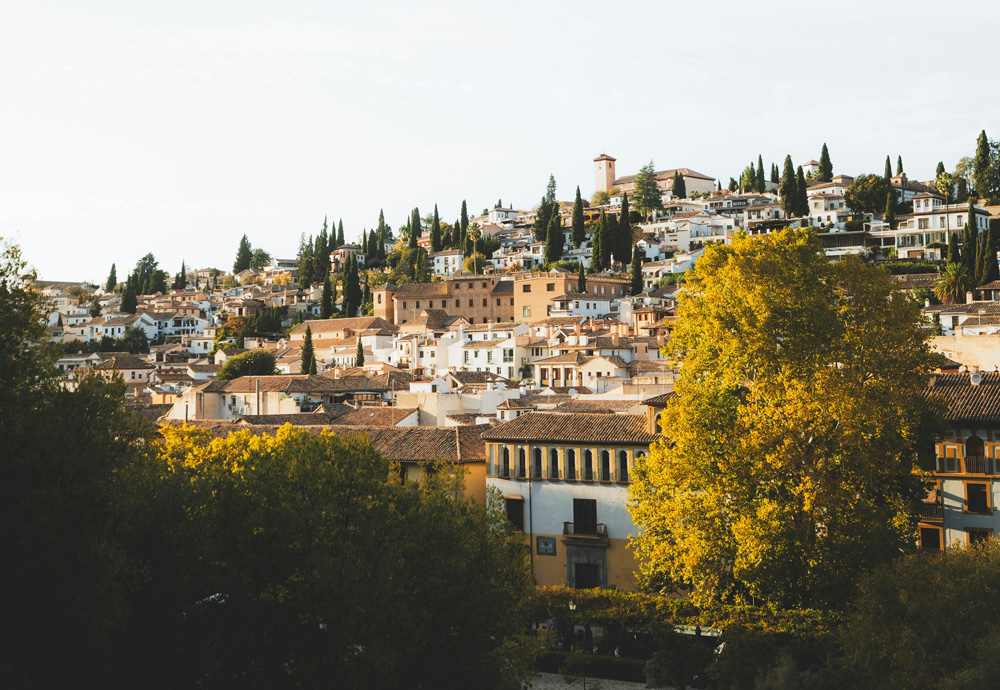
Granada has some of the country’s greatest cultural heritage, located in eastern Andalusia, in the south of Spain.

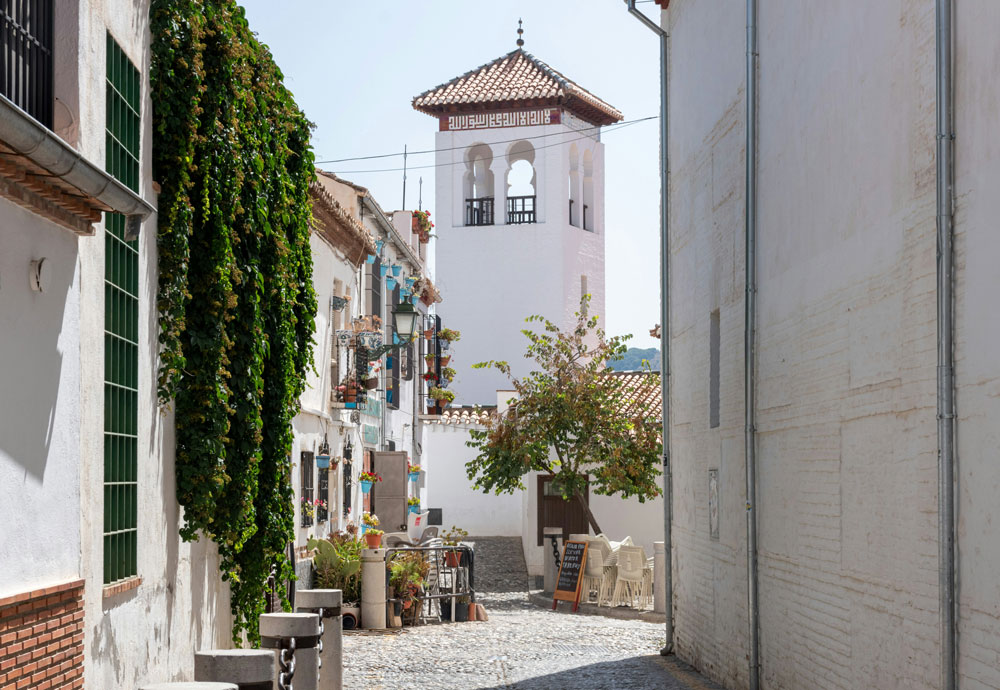
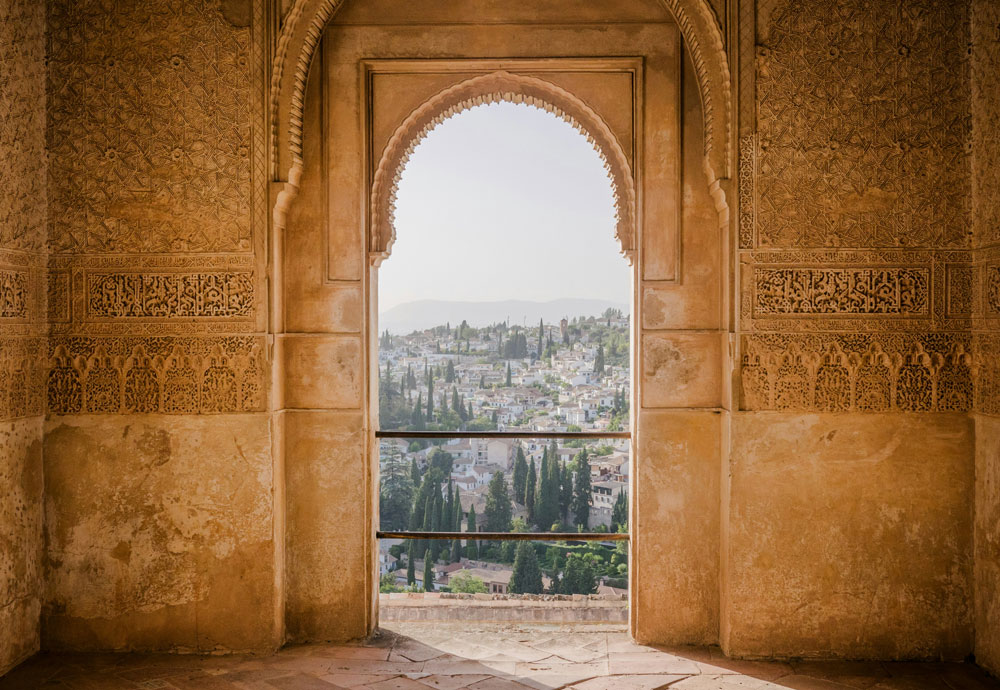
In addition to the world-famous Alhambra and the Albaicín, a UNESCO World Heritage Site, Granada boasts a Renaissance Cathedral that was begun in the 16th century.

Granada is considered one of the world’s cultural capitals and one of the most important tourist destinations in the world.

Granada is geographically surrounded by the Sierra Nevada Natural Park and is also very close to the Mediterranean sea. Less than 30 minutes from the capital is the Sierra Nevada ski resort, the southernmost ski resort in Europe and one of the most extensive in terms of kilometers of slopes. The coastal towns of Motril and Almuñecar are 50 minutes from the capital.

Granada is the birthplace of illustrious figures such as Federico García Lorca, an outstanding poet, playwright and storyteller

La Alhambra

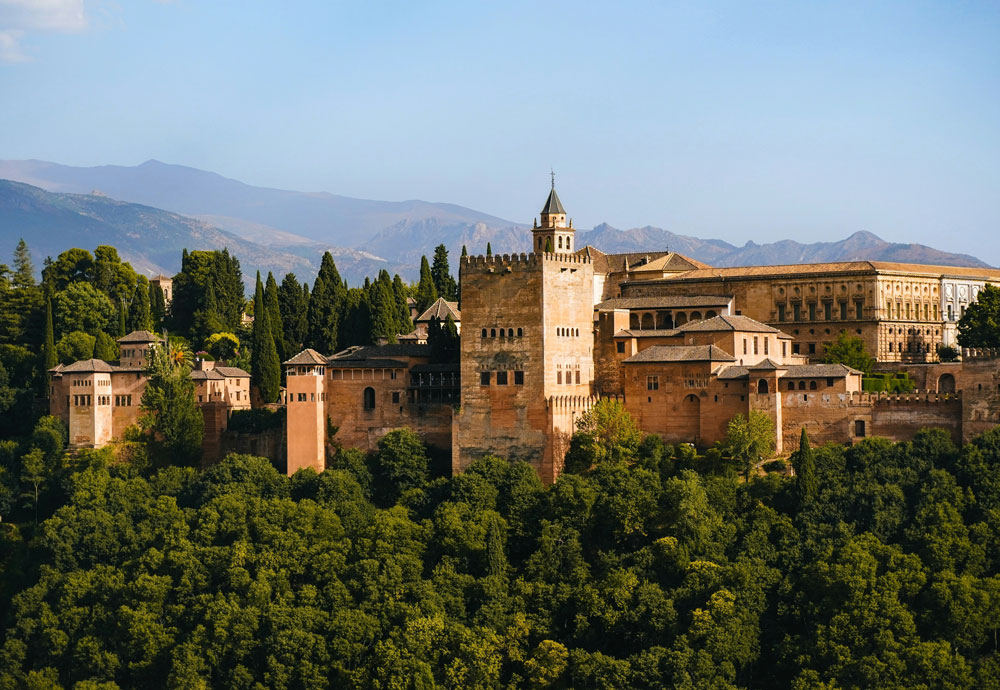
The first visit to the Alhambra, the world’s most spectacular and renowned Arab construction, is an unforgettable experience.

The Alhambra’s ship-like outline surrounded by cypress trees can be seen from anywhere in the city. The monument has been the emblem of Granada for twelve centuries.

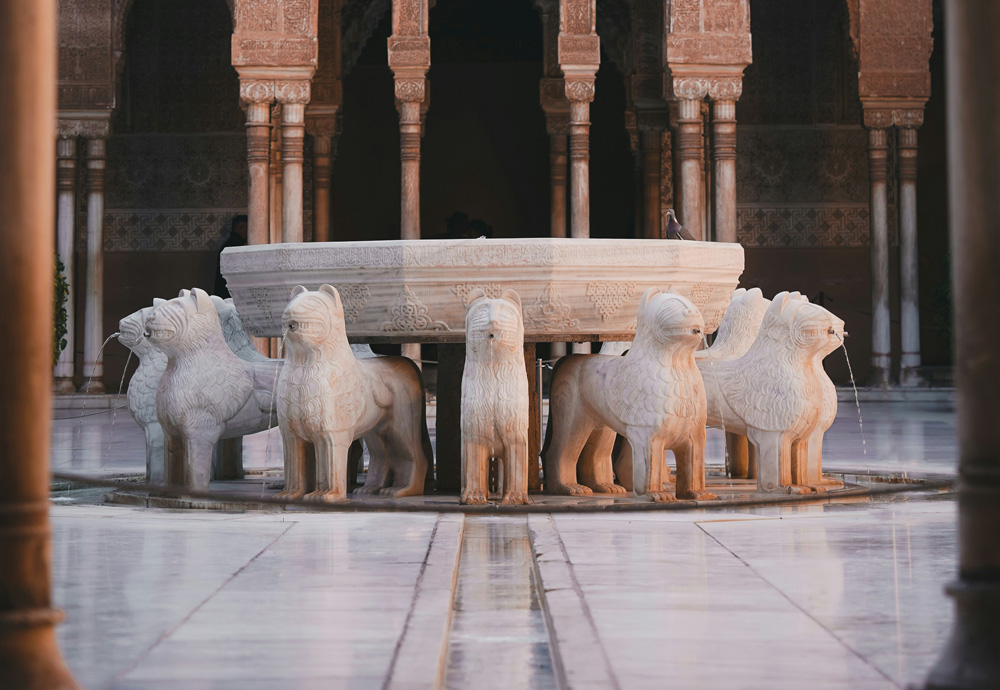
The Alhambra has been a palatine city, a royal palace and citadel, all in one. The construction of the complex is amazing: it has no main façade, no centre or no core attraction. Buildings, towers, palaces, courtyards and gardens follow each other naturally, as though designed by the inhabitants’ everyday lives.

Parque de las Ciencias

The Parque de las Ciencias is an interactive science museum of 70,000 m2, located just a few minutes walk from the historic center of Granada. Since its inauguration in 1995, it has been the most visited museum in Andalusia.

More than 15 million people have already visited its facilities, a figure that has consolidated it as an international reference center for the popularization of science in southern Europe. It is open all year round, from Tuesday to Sunday, and offers activities and exhibitions for all audiences.

It is managed by a Public Consortium formed by the Junta de Andalucía; the City Council of Granada; the Diputación Provincial de Granada; the Consejo Superior de Investigaciones Científicas and the University of Granada.

Seven permanent exhibition pavilions, 5,000 m2 of temporary exhibitions, the digital planetarium, the BioDome, the cultural gallery, the biblioLAB, the cinemas, the auditorium and the Windows to science are some of its spaces. They bring together health, environment, architecture, literature, physics, chemistry, mechanics and astronomy, among other topics. Its activities include international exhibition and research projects, as well as being the Spanish headquarters of the European Space Agency Educational Office (ESA – ESERO).

HOW TO GET AROUND GRANADA

Bus

There are city, intercity and Suburban buses in Granada. Dedicated lines will take attendees to the most important monuments (as the Alhambra, Albaicin or Sacromonte), the airport or the nearby cities. Single tickets cost is €1.40 and different travel cards are available.

Light metro

The Granada Metro crosses the city from north to south, joining the capital with the nearby villages of Armilla, Albolote and Maracena. The metro has a length of 15.9 km and 26 stations. Single tickets cost is €1.35 and travel cards are available.

On foot

Although the public transport is really cheap and accesible, Granada is a walkable city and most of the main touristic attractions can be visited on foot. Attendees will be able to enjoy the great weather of Granada in September through its gorgeous streets and monuments.

Climate

Granada has a continental Mediterranean climate, which is dry with little rainfall. It is cold in winter and hot in summer. The temperature difference between day and night can reach 20°C at certain times of the year.

Granada Bus
Services

To see a map of each route and bus stops, frequency, schedules, visit Granada Buses. Here you can find out about timetables, journeys, fares and any other information on Granada’s urban bus network.

There is a bus pass called CrediBus which the visitor can use when traveling by bus in Granada.

How to Reach Granada from the Airport?

There is a bus service from the airport to central Granada. The journey lasts around 50 minutes depending on the time of day, since traffic levels vary and the bus makes several stops in the city centre.

You can also reach the centre of Granada from the airport by taxi, which costs 25-35 euros.